
What Can & Can't Go in a Dumpster in Vero Beach, FL
Most debris is fine — but a handful of items are prohibited by law. Here's the full list and where they should go.
7 min read · Guides
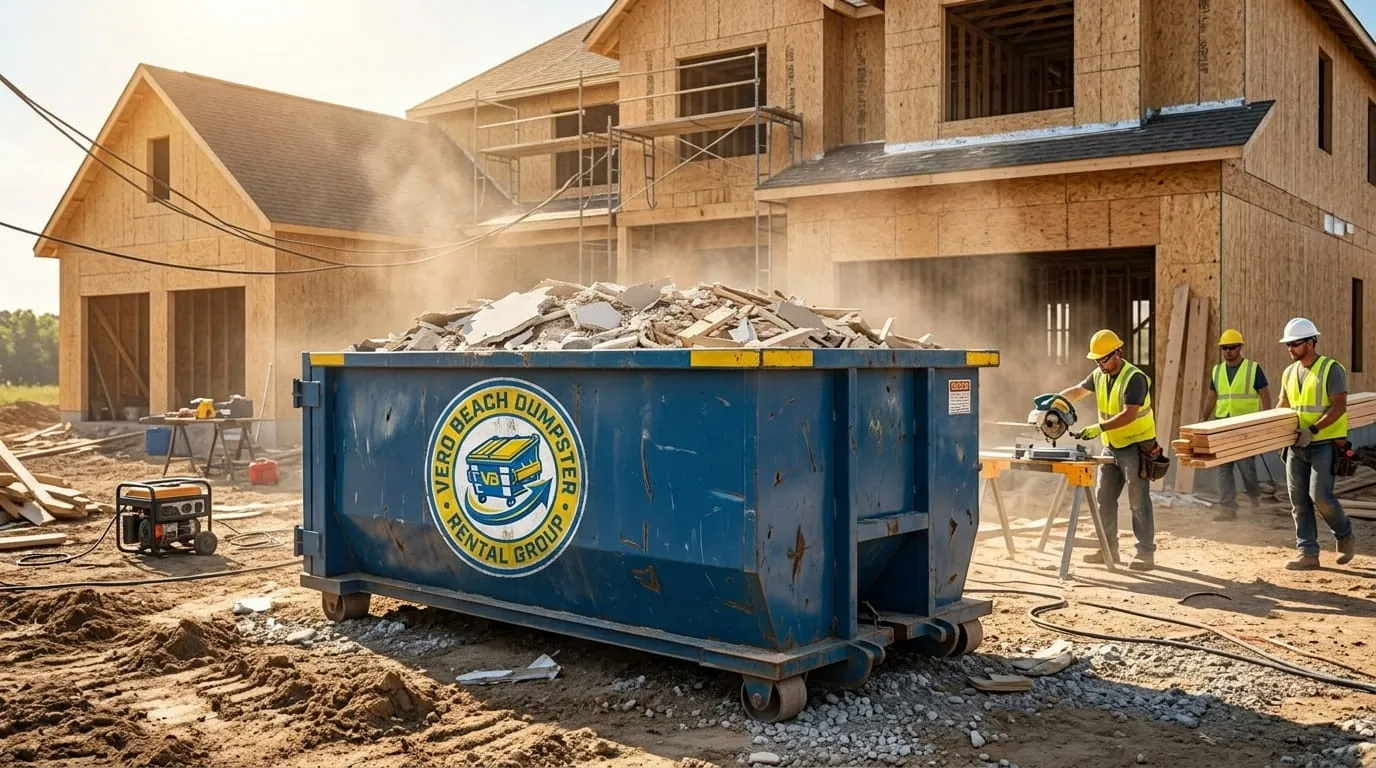
A roll-off dumpster handles the vast majority of what a home or job-site project throws off. But a specific set of materials is prohibited — some for safety, some because Florida law keeps them out of landfills. Putting them in the bin causes delays and fees, so here's the clear list, plus where the banned items should actually go in Indian River County.
What you CAN put in
- Household junk, furniture, and general clutter
- Remodeling and construction debris — drywall, lumber, fixtures, cabinetry
- Flooring, carpet, and tile
- Roofing shingles and felt
- Storm debris — fencing, damaged furniture, drywall, and downed limbs (kept separate where possible)
- Concrete, brick, and inert material (in a dedicated heavy-debris bin)
- Appliances with refrigerants removed
What you CANNOT put in
- Hazardous waste — paint, solvents, chemicals, motor oil, pesticides, pool chemicals
- Electronics (e-waste) — TVs, monitors, computers
- Batteries — car batteries and lithium-ion / rechargeables
- Tires
- Appliances with refrigerants (fridges, freezers, ACs) unless the refrigerant is professionally removed
- Fluorescent bulbs and anything containing mercury
- Medical or biohazard waste, and sharps
- Asbestos — requires licensed abatement, especially in older beachside homes
- Wet paint (fully dried-out latex cans are sometimes acceptable — ask us)
- Propane tanks and other pressurized cylinders
Why these are banned
Two reasons. Some items — hazardous chemicals, asbestos, biohazards, pressurized cylinders — are dangerous to handle and to landfill. Others, like electronics and certain batteries, are kept out of Florida landfills to recover materials and prevent contamination. The landfill scale house will reject prohibited loads, so it's better to sort them out before the bin is filled.
Where the banned items should go in Indian River County
The County's five Customer Convenience Centers (Roseland, Fellsmere, Winter Beach, Gifford, and South Vero) accept household hazardous waste from residents — including lithium-ion batteries, fluorescent bulbs, motor oil, paint, and mercury items — plus electronics, tires, and scrap metal. For appliances with refrigerants, a technician can evacuate the refrigerant so the metal shell can then go in the bin. Older beachside homes should be tested for asbestos before renovation or demolition, with licensed abatement arranged first. If you're unsure about any item, just ask us before it goes in.
When in doubt, ask
A quick question before you toss something saves everyone the hassle of a rejected load or a disposal fee. We're happy to tell you where any tricky item should go — call (772) 492-4291.
Questions? We're a phone call away
Whatever your project, we're happy to talk it through and give you a straight, flat-rate quote. Call (772) 492-4291 — we answer our own phones.
Related Guides
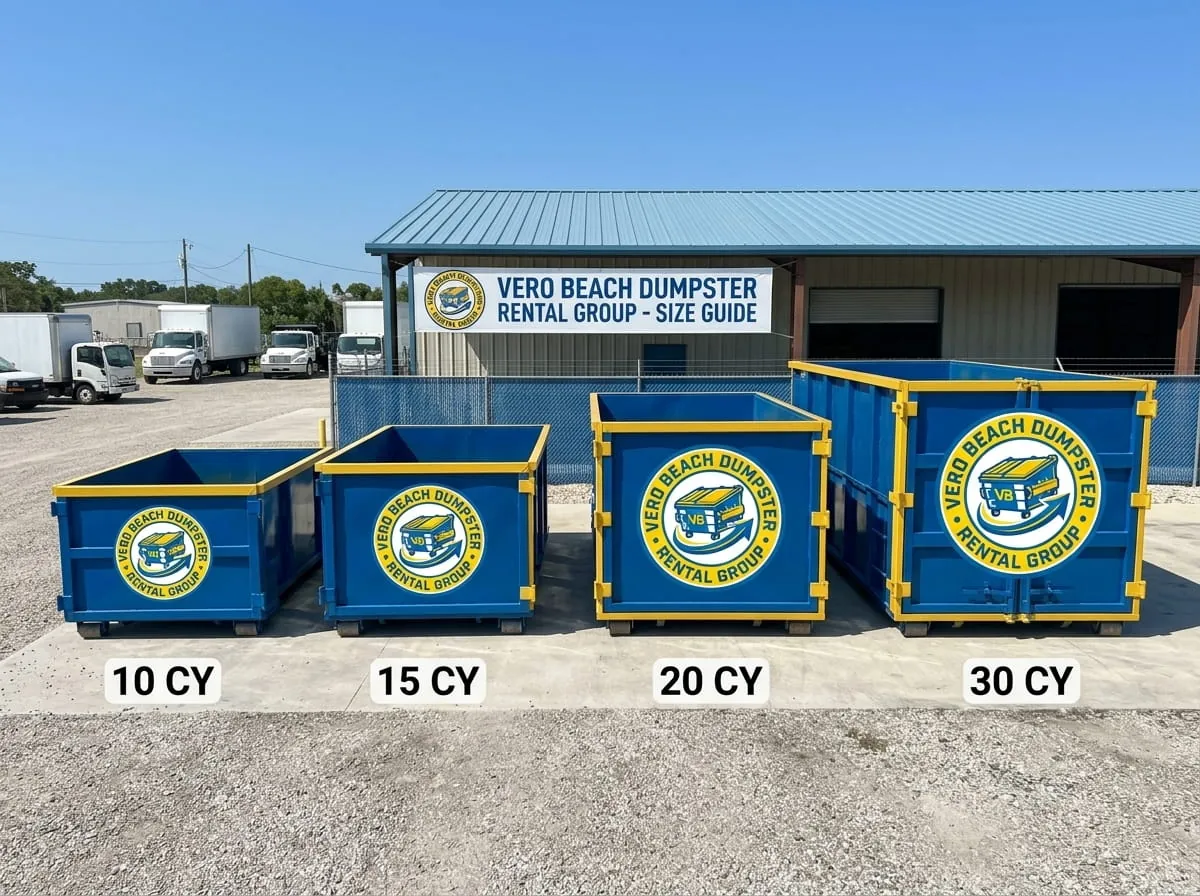
What Size Dumpster Do I Need? A Vero Beach Homeowner's Guide
The single most common question we get — answered with real Vero Beach projects, not just numbers.
Read more →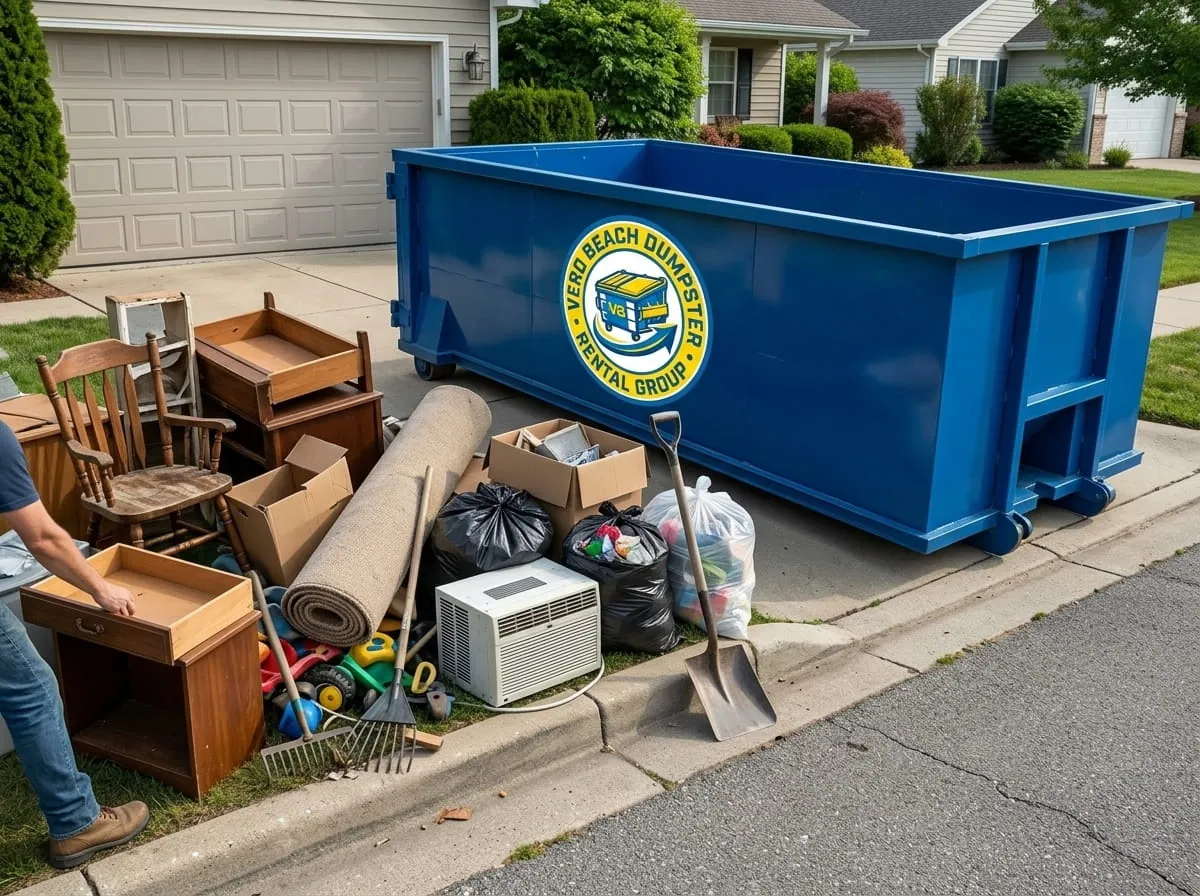
How Much Does Dumpster Rental Cost in Vero Beach, FL?
What goes into the price, what to watch for, and how flat-rate pricing saves you from surprise fees.
Read more →
Do You Need a Dumpster Permit in Vero Beach, FL?
Driveway placement is usually permit-free; the public right-of-way needs a county permit. Here's the rule.
Read more →Ready to Book Your Dumpster?
Call now for a flat-rate quote and fast delivery across Vero Beach and Indian River County.
Call (772) 492-4291Frequently Asked
Can I put electronics in a dumpster?
No. Take them to one of Indian River County's Customer Convenience Centers, which accept electronics from residents free of charge.
Can I put concrete or roofing in a dumpster?
Yes — but heavy materials like concrete and roof tile go in a dedicated heavy-debris bin so the load stays within legal road weight and manageable tipping fees.
Where does household hazardous waste go?
To one of the County's five convenience centers, which accept paint, batteries, motor oil, bulbs, and similar items from residents. They can't go in the dumpster.